Pasar al contenido principal

# Ineco
Impulsa

Movilidad en transformación
Perspectivas

Image
IMPULSA Movilidad

New mobility patterns

Almost five years after the pandemic, mobility volumes, both in supply and demand, have exceeded pre 2019 levels. However, mobility is no longer the same as it was before: it has become more heterogeneous, with more varied travel times and journey patterns. In addition, interurban and leisure travel has gained prominence over compulsory urban mobility.

Demand for interurban transport has increased by 6.3%, compared with 2.8% for urban transport

The effective reduction in mobility as a result of teleworking stands at 7%

01

Forces reshaping mobility

Events over recent years have triggered changes of unprecedented scale and speed across all sectors. This poses the challenge not only of adapting rapidly, but also of regulating effectively in order to mitigate negative impacts and extend benefits in an equitable manner. Mobility, essential to the development of all social and economic activities, came to an unprecedented standstill during the COVID 19 health crisis. In cities, public transport usage fell even more sharply, dropping by between 70% and 90% due to fear of contagion.
Image
IMPULSA Movilidad_4
Image
IMPULSA Movilidad_3
02

Collective public transport, the backbone of sustainable mobility

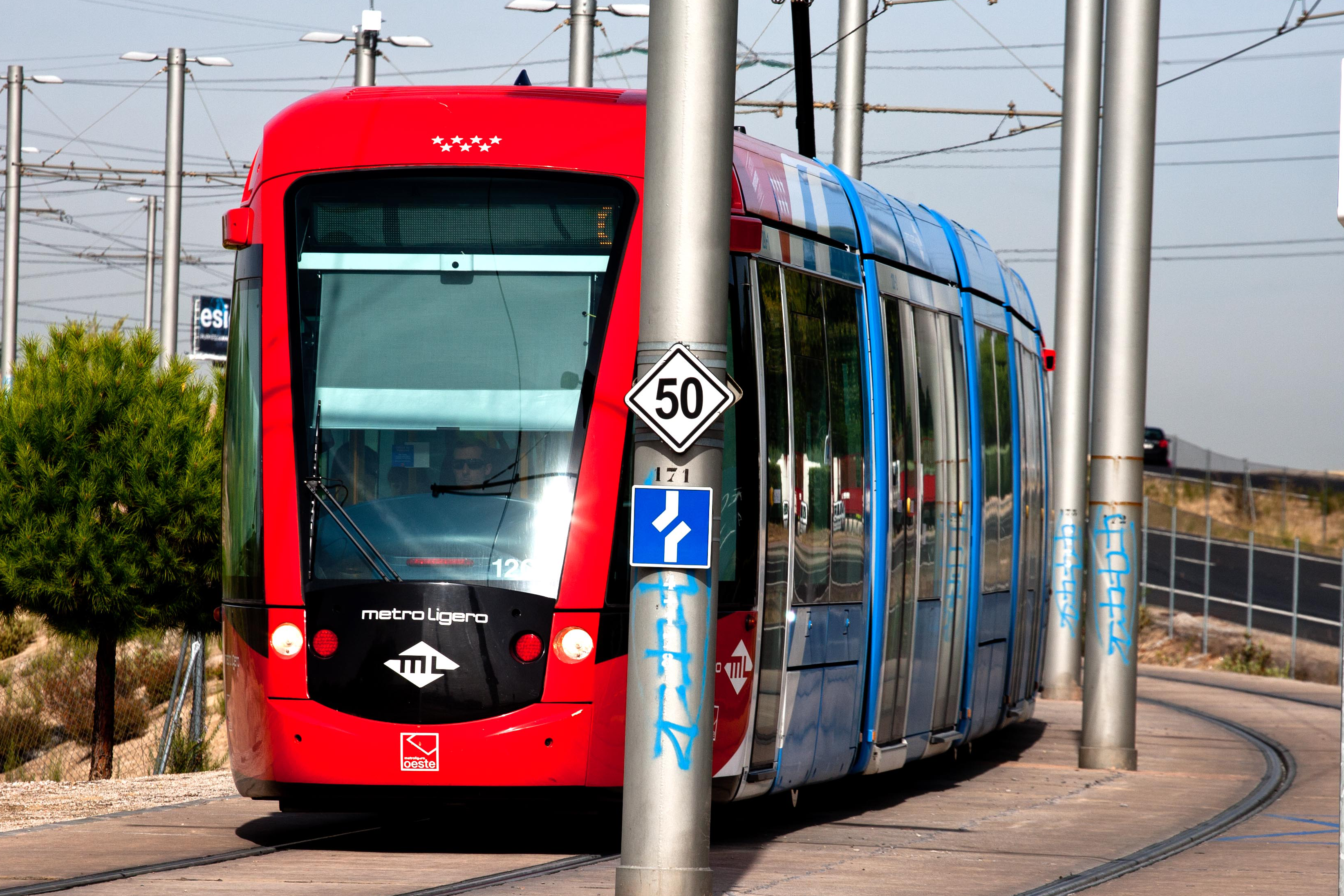
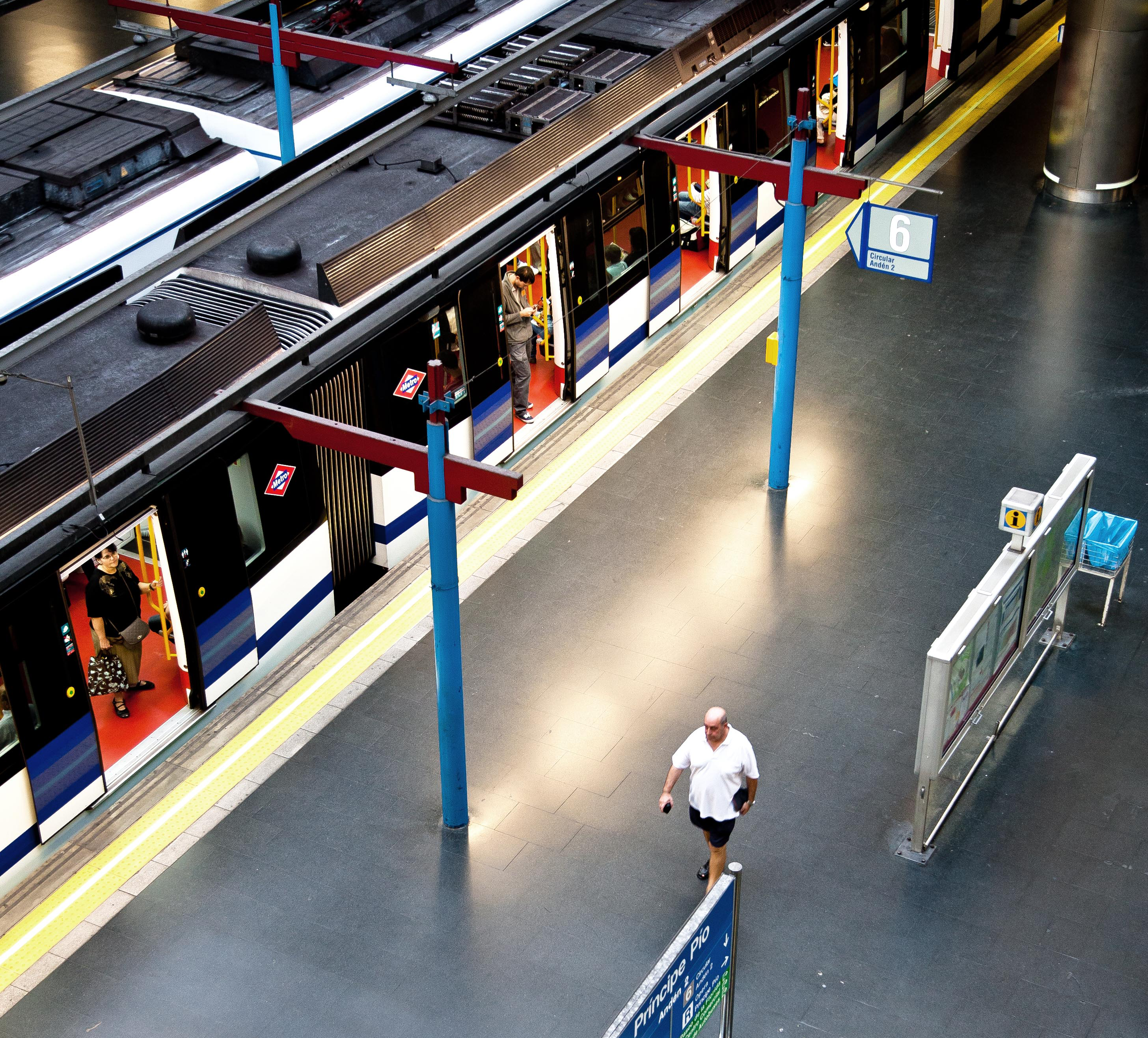
Demand for and supply of public transport are currently above 2019 levels across almost all modes and contexts. However, this recovery should not be understood as a temporary exception. As in many other fields, crises act as catalysts, accelerating, slowing or reshaping long term trends.

It is therefore essential to reassess the key long term drivers of mobility transformation and how recent crises have affected them in Spain. These include demographic and socioeconomic factors; technological change; shifts in the institutional framework shaping long term supply; and changes in travel behaviour, such as the expansion of teleworking.

INNOVATION, BUT NOT ALTERNATIVES
Micromobility, e scooters, carpooling, carsharing, motosharing, ride hailing services, and shared urban bicycles are new forms of mobility primarily affecting the urban environment. Overall, however, their impact remains moderate, limited to specific user profiles and always playing a complementary role, never constituting an alternative to public transport.

Mobility in transformation. Perspectives

Authors

Javier Anibarro

Javier Anibarro

Expert in Transportation Economics and Policy

Javier Anibarro

An economist with over 30 years of experience, he has been part of the company since 2007. He has worked for various transport consultancy firms and has taught at the Universities of Vigo and Carlos III of Madrid. At different stages of his career, he has also served as an advisor in the Economic Office of the Prime Minister of Spain, focusing on infrastructure and transport issues, as well as in the cabinets of the Secretary of State and the Minister of Transport.

Eva Hitado

Eva Hitado

Manager of Transportation Economics and Policy

Eva Hitado

A civil engineer with more than 15 years of experience. Her entire professional career has been developed at Ineco and has always been linked to transport consultancy, particularly in urban transport. She has led and coordinated transport projects at both national and international level, providing advisory and technical assistance to municipalities and public authorities.

Rocío Cascajo

Rocío Cascajo

Manager of Transportation Economics and Policy

Rocío Cascajo

A forestry engineer and PhD in Transport from the Technical University of Madrid (UPM). With more than 20 years of experience in transport planning and sustainable mobility, as well as in equity and diversity issues, she initially worked in academia and research, and since 2019 has been part of Ineco’s Consulting Directorate. She has participated in numerous national and international conferences and is the author of several articles published in leading journals. She currently leads and contributes to strategic projects for the Ministry of Transport and Sustainable Mobility and for Adif.

Rodrigo Vázquez

Rodrigo Vázquez

Manager of Planning and Sustainable Mobility

Rodrigo Vázquez

A civil engineer with a Master’s degree in Transport Planning and Engineering. He has extensive professional experience in Spain and the United Kingdom in transport consultancy, data analysis, and the development of predictive models. Since 2019, he has worked as a technical manager in Ineco’s Transport Planning Department.

Rodrigo Pérez

Rodrigo Pérez

Expert in Transport Economics and Policy

Rodrigo Pérez

With over 25 years of experience in transport planning, he has worked on projects covering almost all modes of transport: pedestrian and cycling mobility, public transport, transport interchanges, private vehicles, traffic and parking management, freight transport and logistics. In the field of cycling mobility, he is the author of two design manuals, has contributed to several Cycling Mobility Plans (including Madrid’s 2008 plan) and has collaborated on numerous local network projects, either through specific cycling route schemes or urban development projects.

Full list of contributors