
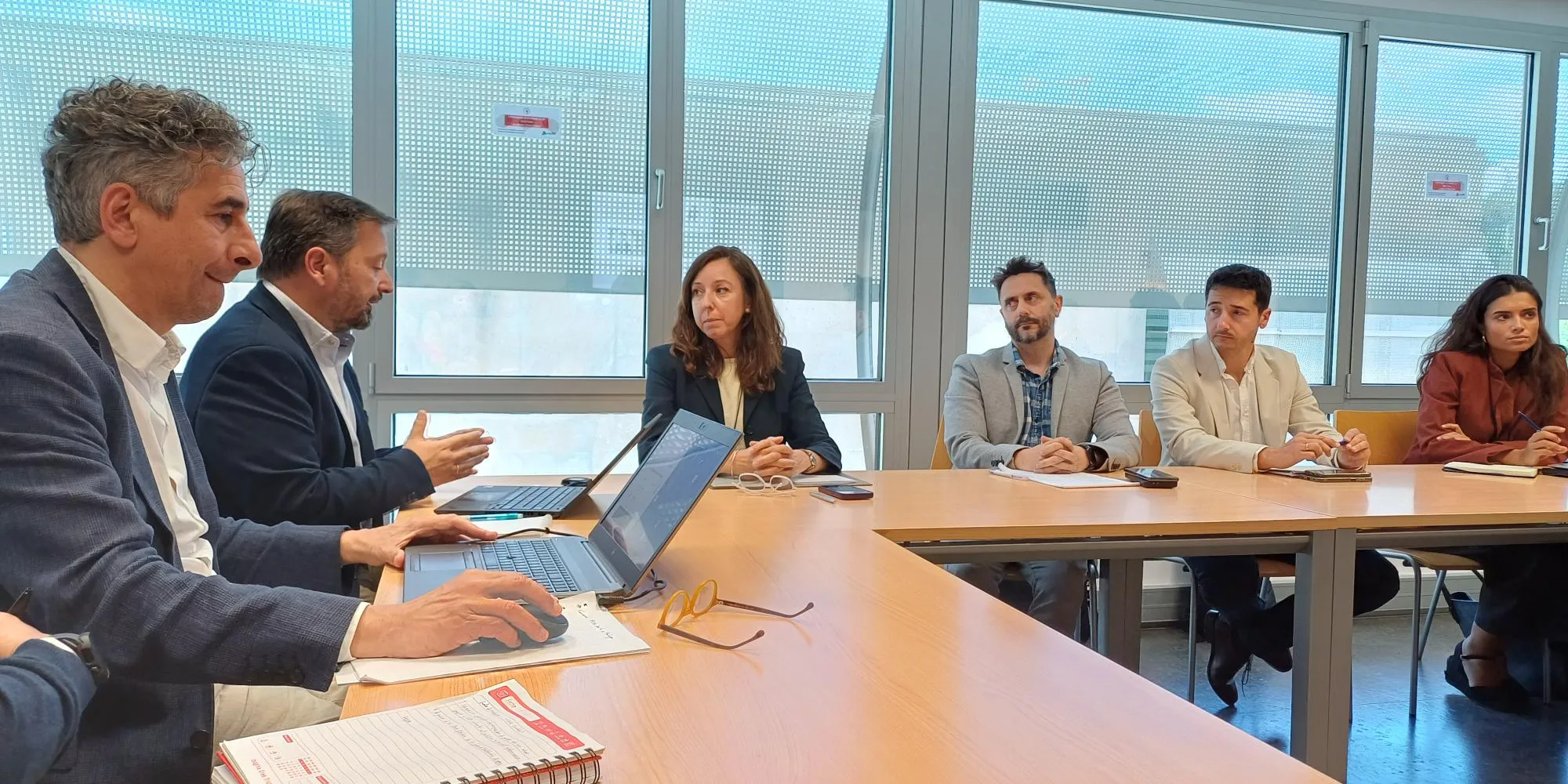
Jorge Torrico, Digital Engineering and BIM Manager, led several of the sessions during the event.
The Spanish rail sector is moving forward in defining a shared language for its digital transformation. The Railway Innovation Hub (RIH) in Málaga has brought together infrastructure managers, companies and knowledge centres as part of the Strategic Railway BIM Line, an initiative aimed at establishing a shared classification system for railway projects.
Ineco has taken on the technical coordination of this work, a role it is performing for the third time, reinforcing its commitment to the development of digital methodologies applied to transport. With solid experience in railway BIM, the company is leading the coordination of the various working groups and driving progress towards the definition of a common framework tailored to the needs of the sector.
The objective is clear: to enable all stakeholders involved in the life cycle of a railway infrastructure to work with a single information structure. The lack of shared standards has so far been one of the main obstacles to wider BIM adoption in the rail sector.
The development of a common railway BIM classification will improve interoperability between stakeholders, optimise information management and facilitate asset tracking throughout their entire life cycle. It will also help align the sector with the guidelines of the BIM Plan and with international standards.
The initiative promoted by the RIH is underpinned by a collaborative process that has included an analysis of the current state of BIM in the sector, the identification of shared needs and the development of a classification proposal aligned with international references such as ISO 19650. At this stage, work is focused on coordinating input from the different groups and advancing the development of solutions applied to systems such as track, electrification, signalling and structures. Several of the sessions during the event were led by Jorge Torrico, Head of Digital Engineering and BIM.
The project brings together infrastructure managers such as Adif, construction companies and consultancies, technology providers, universities and research centres. This diversity makes it possible to build a proposal grounded in professional practice, with a clear focus on real-world application in projects.
Through this initiative, Ineco strengthens its position as a key player in the digitalisation of transport infrastructure in Spain.