
Before an infrastructure project takes shape, one essential element determines its viability: the ground on which it is built. At Ineco, the geotechnical team analyses this “invisible support” to ensure that every project is safe, stable and durable.
Noelia Picó, a geologist based at Ineco’s Valencia office, designs and carries out geotechnical studies. She explains that geotechnics combines geology and engineering to understand how infrastructure interacts with the ground. Far removed from the more popular image of geology linked to volcanoes or dinosaurs, this discipline plays a direct role in shaping our everyday environment.
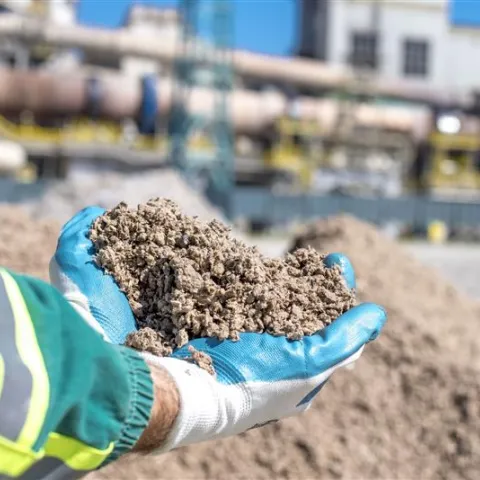
The work begins long before construction starts. Based on a geotechnical field and laboratory investigation programme—designed by experts according to a prior analysis of the site and the specific needs of the planned infrastructure—specialists assess the characteristics of the soil or rock to determine how it will behave when supporting a given structure. This analysis makes it possible to identify risks such as landslides, soft soils, rocks with cavities or fractures, or flood-prone areas, as well as to define the most suitable foundation solution for each case.
“A geotechnical study allows us to anticipate how the ground will respond and to detect potential risks before they materialise,” Picó explains. “This means we can adapt the infrastructure design and minimise future problems.”
Geotechnics plays a decisive role in the design of routes and foundations, ensuring that infrastructures are properly integrated into their surroundings and remain stable over time. Its importance is particularly evident in the current and future context of climate change, where a geotechnical approach is essential not only for reconstruction, but also for anticipating and reducing future risks.
Ultimately, geotechnics enables informed decision-making from the very outset of a project, adapting it to the realities of its environment and helping to protect both the infrastructure itself and the people who rely on it in their daily lives.