
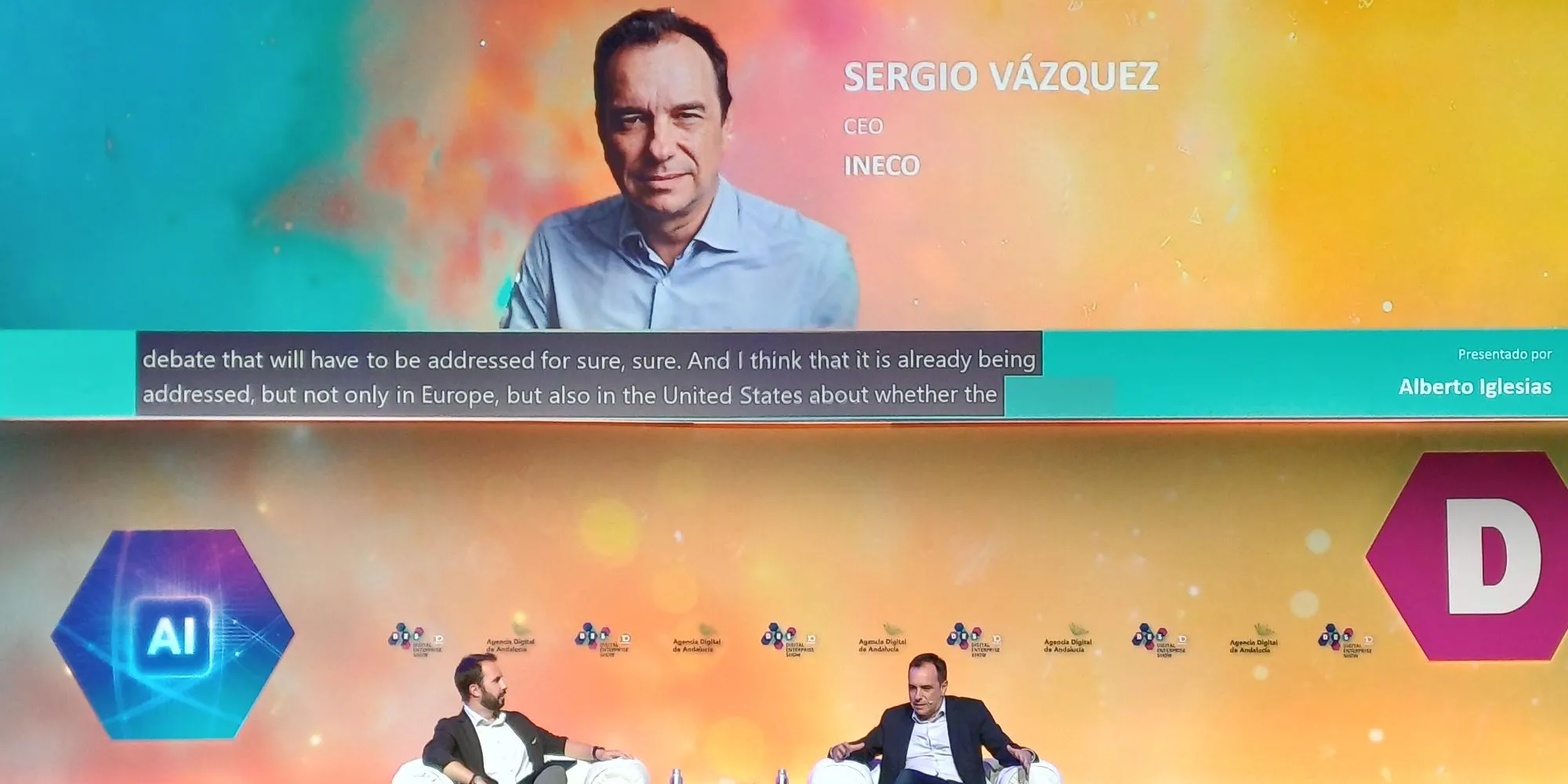
“Thus far, the economic impact of AI, broadly speaking, has been a transfer of income from other sectors to large technology companies,” said Sergio Vázquez Torrón.
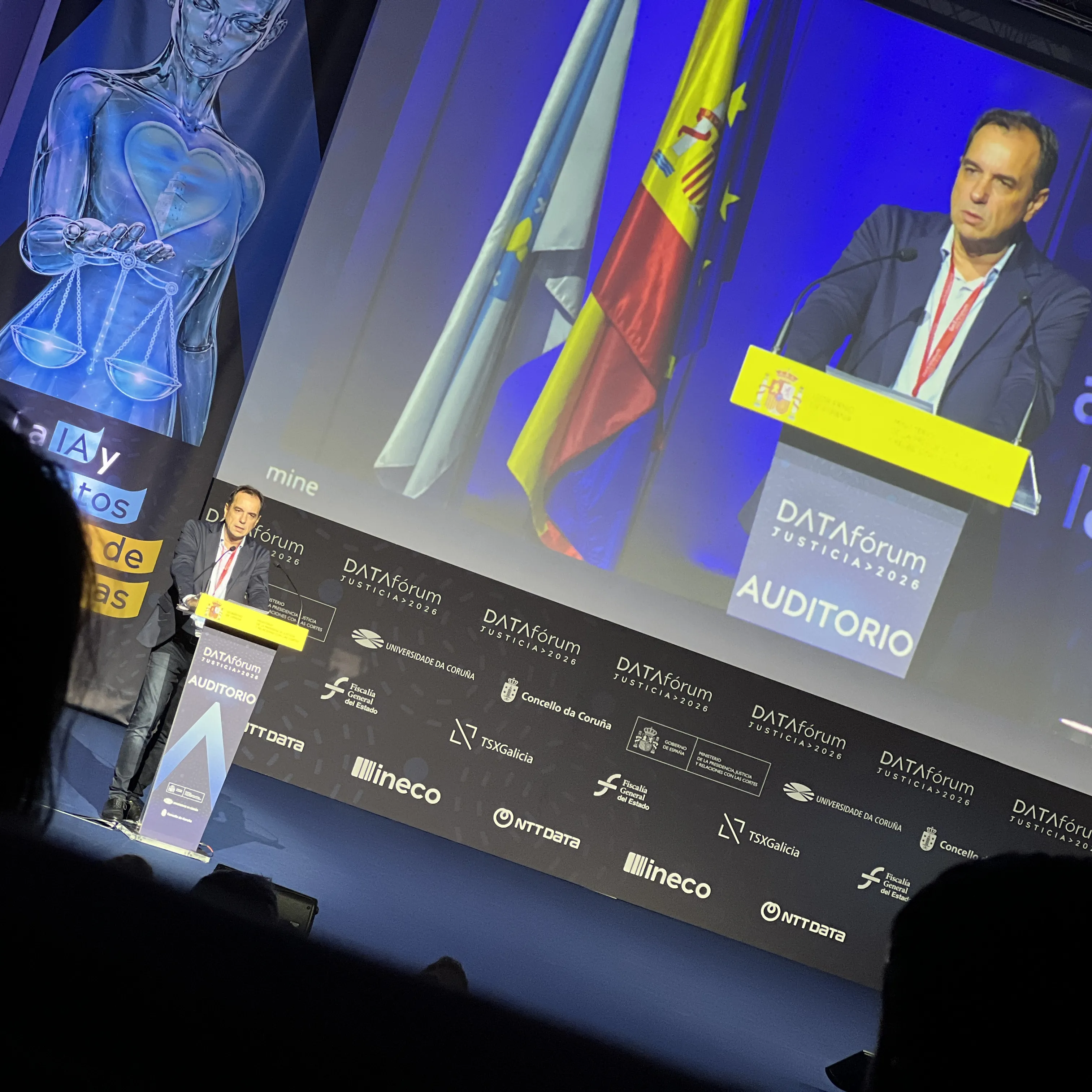
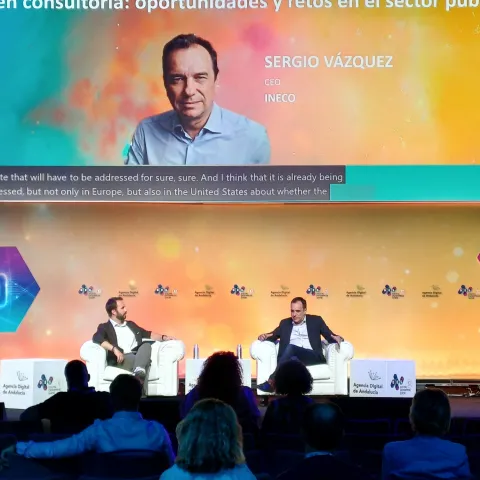
Ineco President Sergio Vázquez Torrón has underscored the potential of artificial intelligence to transform public services and enhance the relationship between government and citizens during his participation in DES Málaga, one of Europe’s leading events on digital transformation and AI. He stressed the importance of advancing adoption models grounded in trust, governance, and the creation of public value.
Speaking at the session “AI in Consulting: Opportunities and Challenges in the Public Sector,” Vázquez Torrón examined the impact AI is having on consulting and highlighted the key role of the public sector in deploying responsible artificial intelligence that balances innovation with citizen service.
“Thus far, the economic impact of AI, broadly speaking, has been a transfer of income from other sectors to large technology companies,” he noted. He also emphasized that “for the digital transformation of public administration, it must be taken into account that citizens will also adopt AI massively, and this will change the nature of the relationship between the administration and those it serves.”
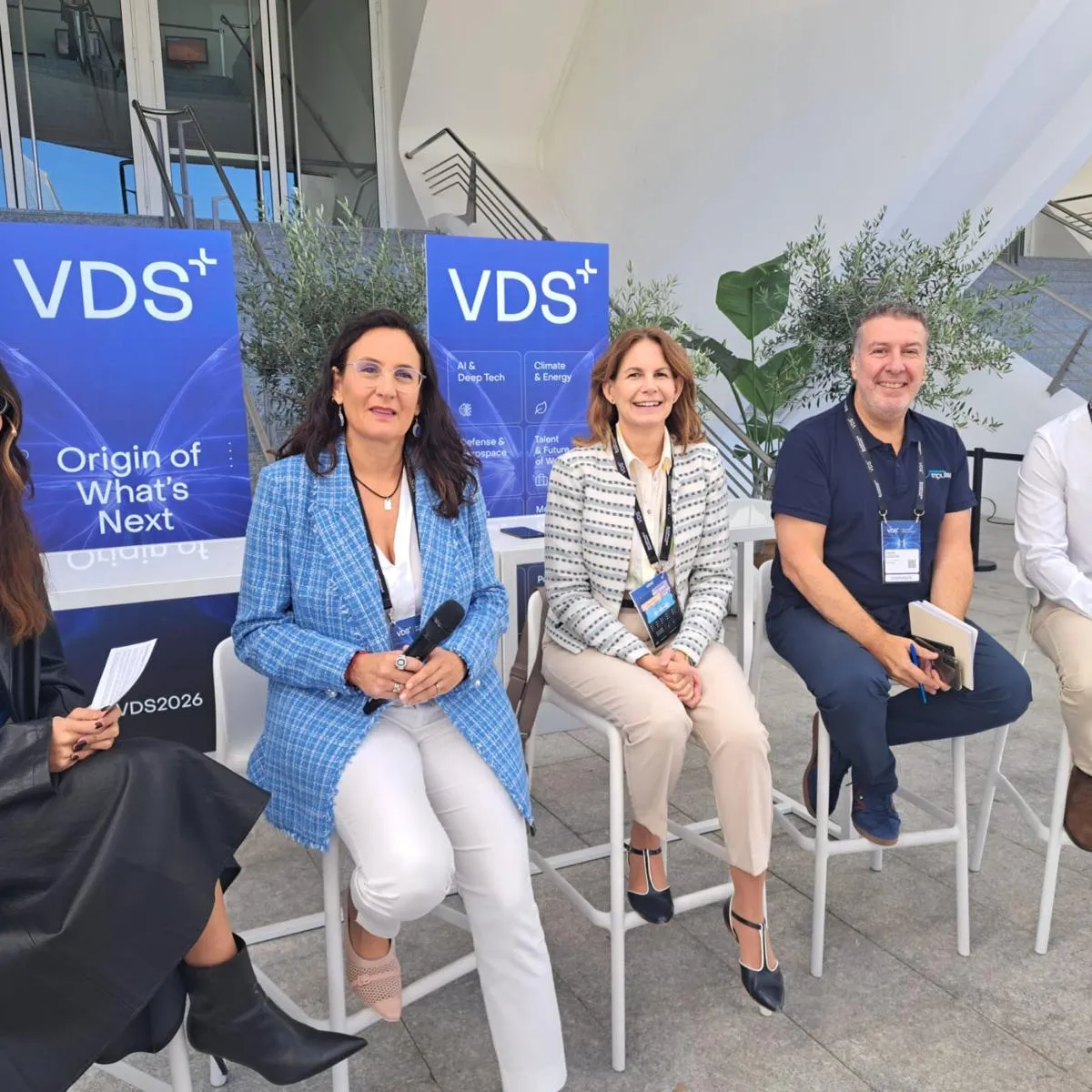
Ineco’s participation at DES Málaga also provided an opportunity to address some of the main challenges linked to digital transformation. Luisa Calvo, Ineco’s Head of Transformation, Data and AI, took part in a roundtable discussing issues such as supplier dependency and the need to move towards innovation models based on risk assessment and management. She highlighted that technological risks are no longer purely technical but have become strategic risks with a direct impact on business, reputation, and user trust.
Meanwhile, Smart Products expert Gloria Salvador spoke in a session focused on trust and governance in artificial intelligence. She reflected on the role of leadership in the responsible adoption of this technology and the need to foster environments that ensure innovation serves people and society. She also moderated a discussion on how to measure the real impact of AI within organizations. The session addressed topics such as evaluation methodologies, total cost of ownership (TCO) for AI-based solutions, and the factors that determine the success of digital transformation strategies.
Through its participation in DES Málaga, Ineco reaffirms its commitment to the development and application of innovative technologies that help modernize public services, drive organizational digital transformation, and generate value for society from a responsible, ethical, and people-centered perspective.