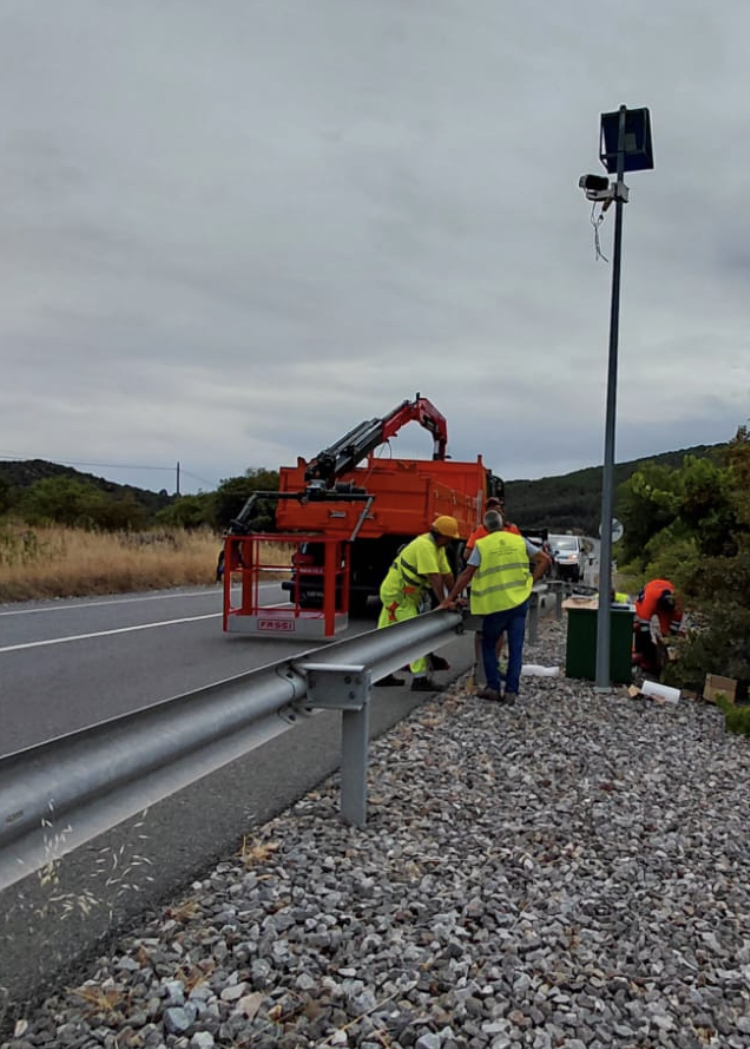

Every day, millions of vehicles travel across Spain’s State Road Network. What few people realise is that behind this constant flow lies a system capable of counting, classifying and analysing every movement. This is the so-called traffic counting system: a network of monitoring stations which, together with new technologies, measures the true pulse of traffic in Spain.
Far from being a simple vehicle counter, this system has become a key tool for understanding mobility on the State Road Network. It provides Average Daily Traffic (ADT) figures, classifies vehicle types and generates data that underpin improvements in road safety, the planning of new infrastructure and strategic decision-making. And now, it is fully entering the era of Big Data.
Within this modernisation process, Ineco plays a significant role in collaboration with the Ministry of Transport and Sustainable Mobility, supporting the transformation of the traffic monitoring system. Its work goes beyond overseeing and coordinating the upgrade of equipment deployed across the network; it also involves designing the joint strategy that will define how traffic is measured in the coming years.
The challenge is ambitious: to move from a traditional system to a digital platform capable of integrating multiple data sources and offering a more comprehensive and accurate picture of mobility. To achieve this, a new internal management application is being developed, based on proprietary databases and algorithms. This will enable advanced data analysis, integrating information from both monitoring stations and new external technologies.
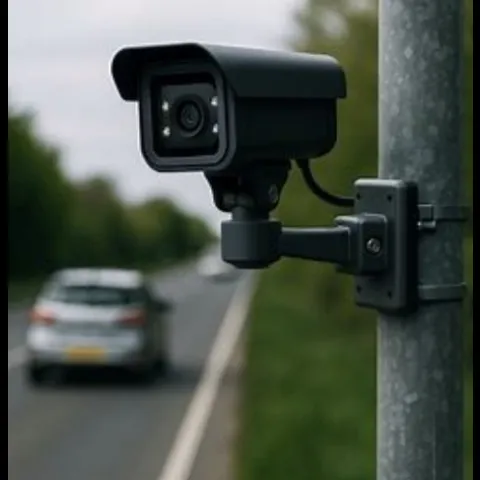
One of the most notable advances is the incorporation of Automatic Number Plate Recognition (ANPR) technology. Using cameras capable of identifying vehicles in motion, this solution will improve traffic classification, detect foreign vehicles and identify the transport of dangerous goods.
Ineco has also developed its own methodology to assess the performance of these systems, establishing objective criteria that help select the most effective solutions. This technological leap does not come at any cost: the system has been designed to strictly comply with the General Data Protection Regulation (GDPR). Data minimisation principles are applied, retention periods are limited, and information is used in aggregated form. The objective is clear: to harness the value of data without compromising privacy.
Innovation does not stop there. Upcoming lines of work include weigh-in-motion systems, which will enable the monitoring of vehicle weights while in circulation to protect infrastructure and enhance safety, as well as the incorporation of cyclist traffic counts, broadening the focus towards more sustainable mobility.
The next step will be to scale this transformation nationwide, progressively deploying these technologies across all provinces. This advance will make it possible to manage traffic with greater precision, anticipate problems and design safer and more efficient roads.
Because, ultimately, understanding how we move is the key to moving better. And today, thanks to the combination of engineering, data and technology, Spain’s roads are starting to tell the full story.
Galería
-
Image