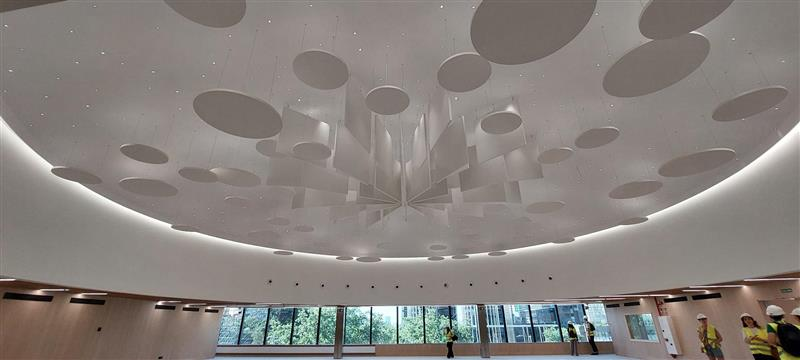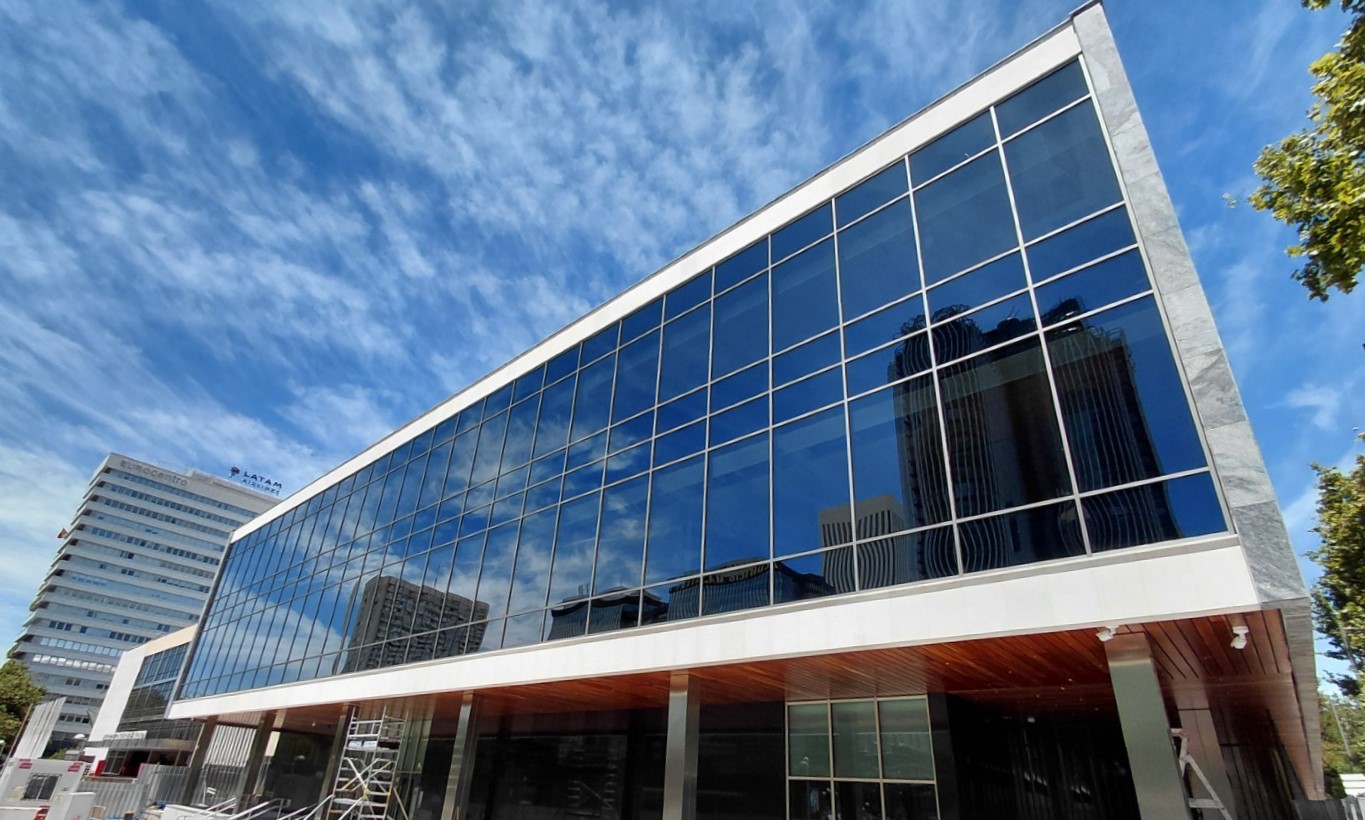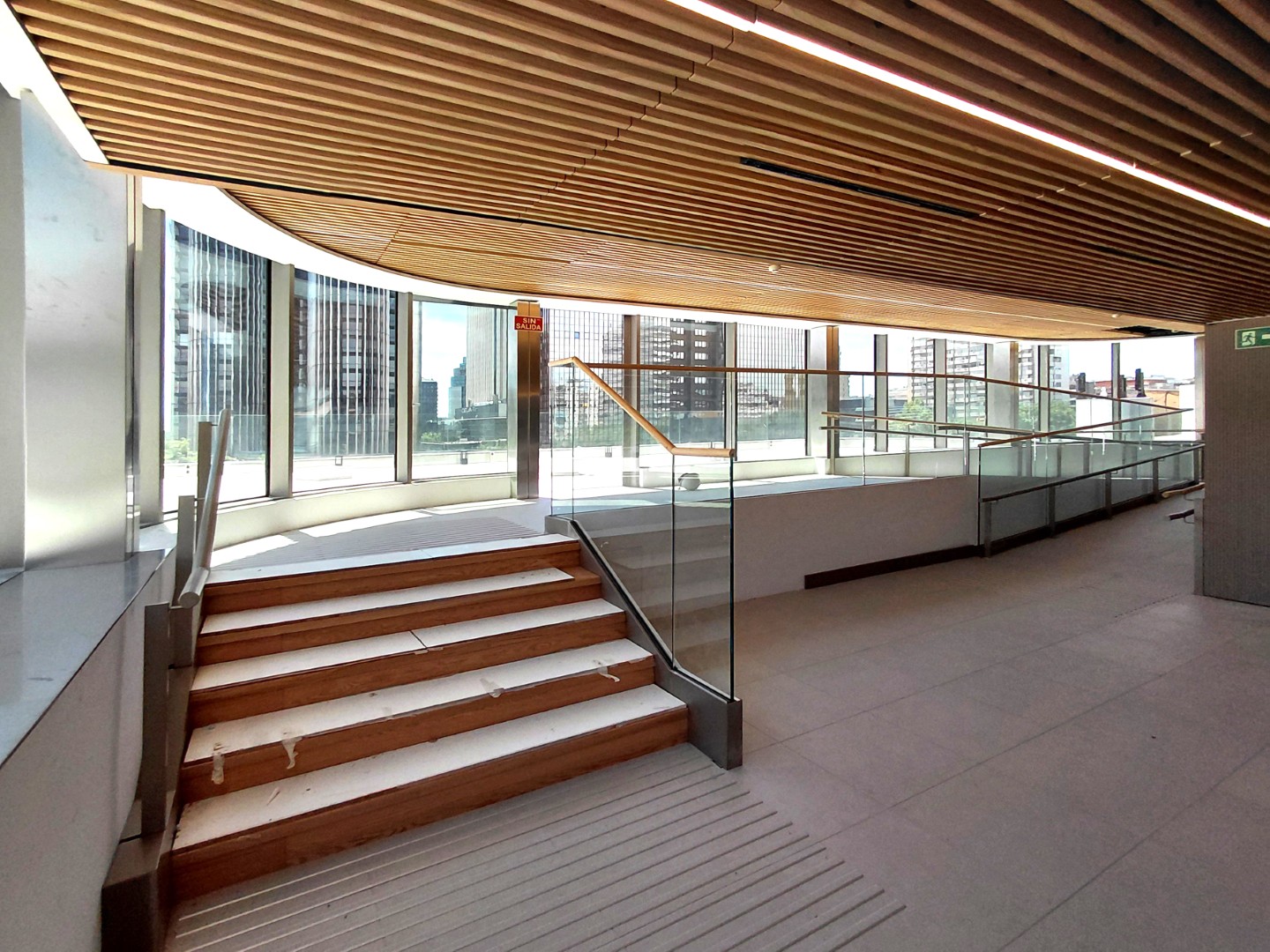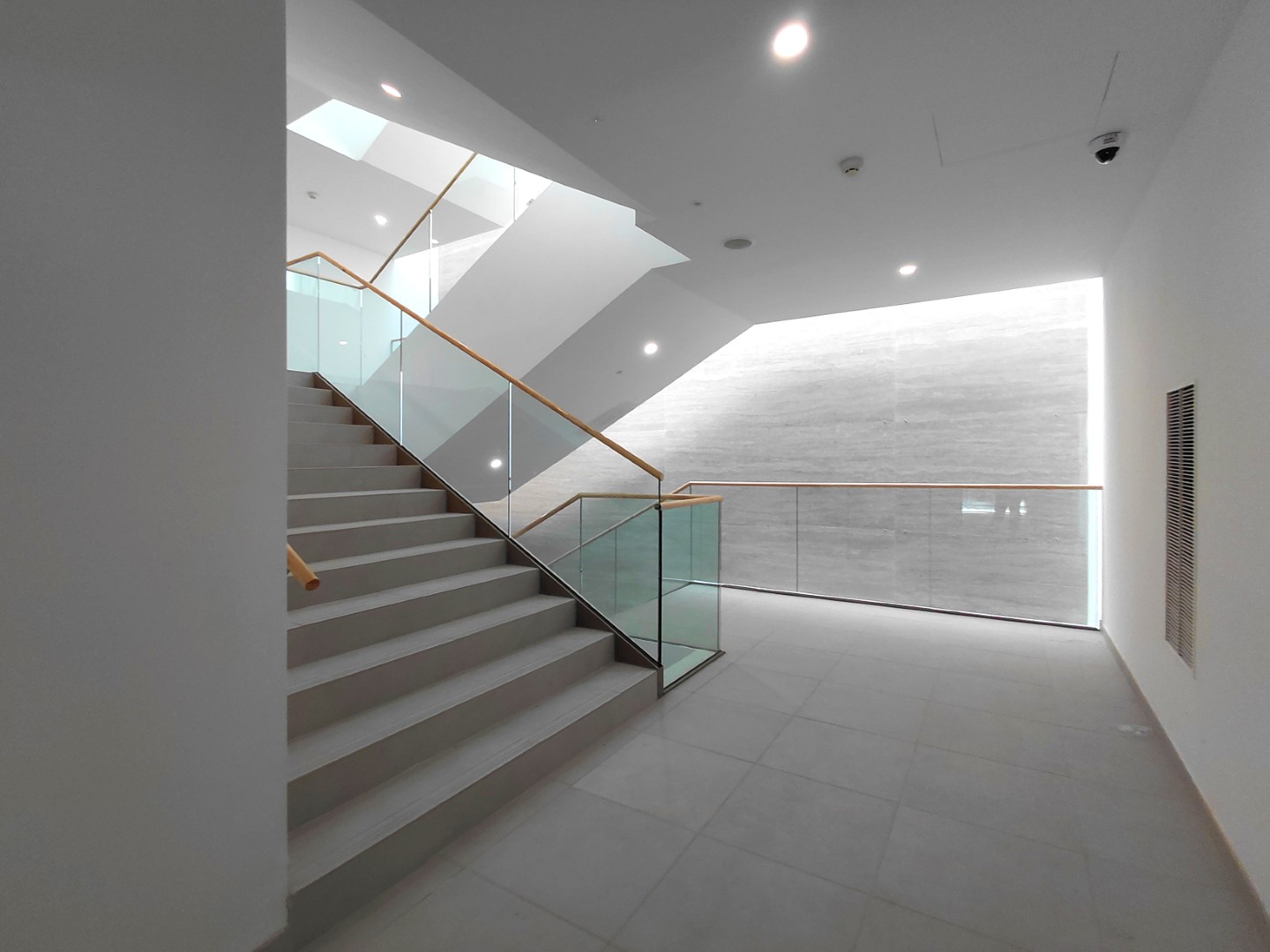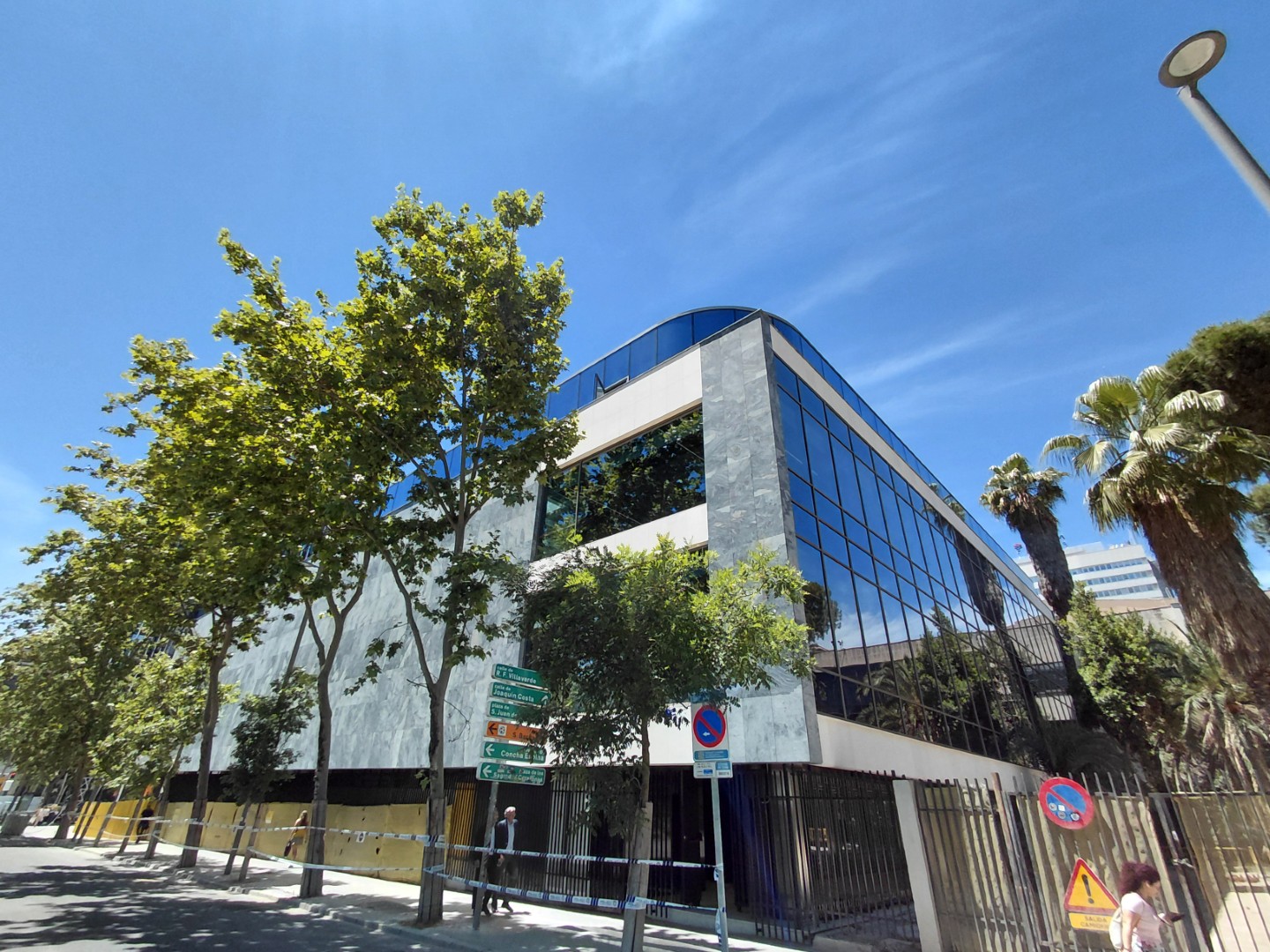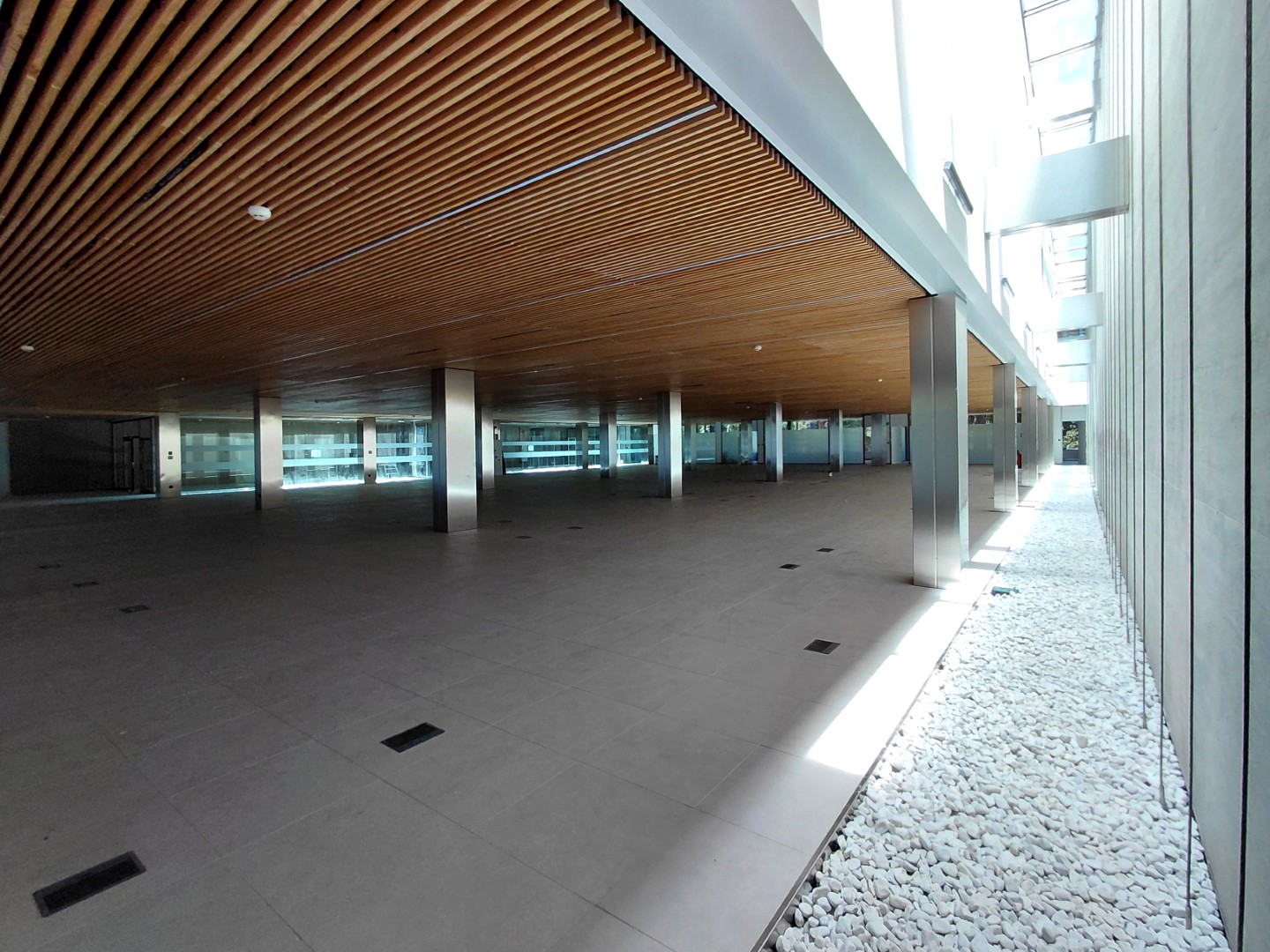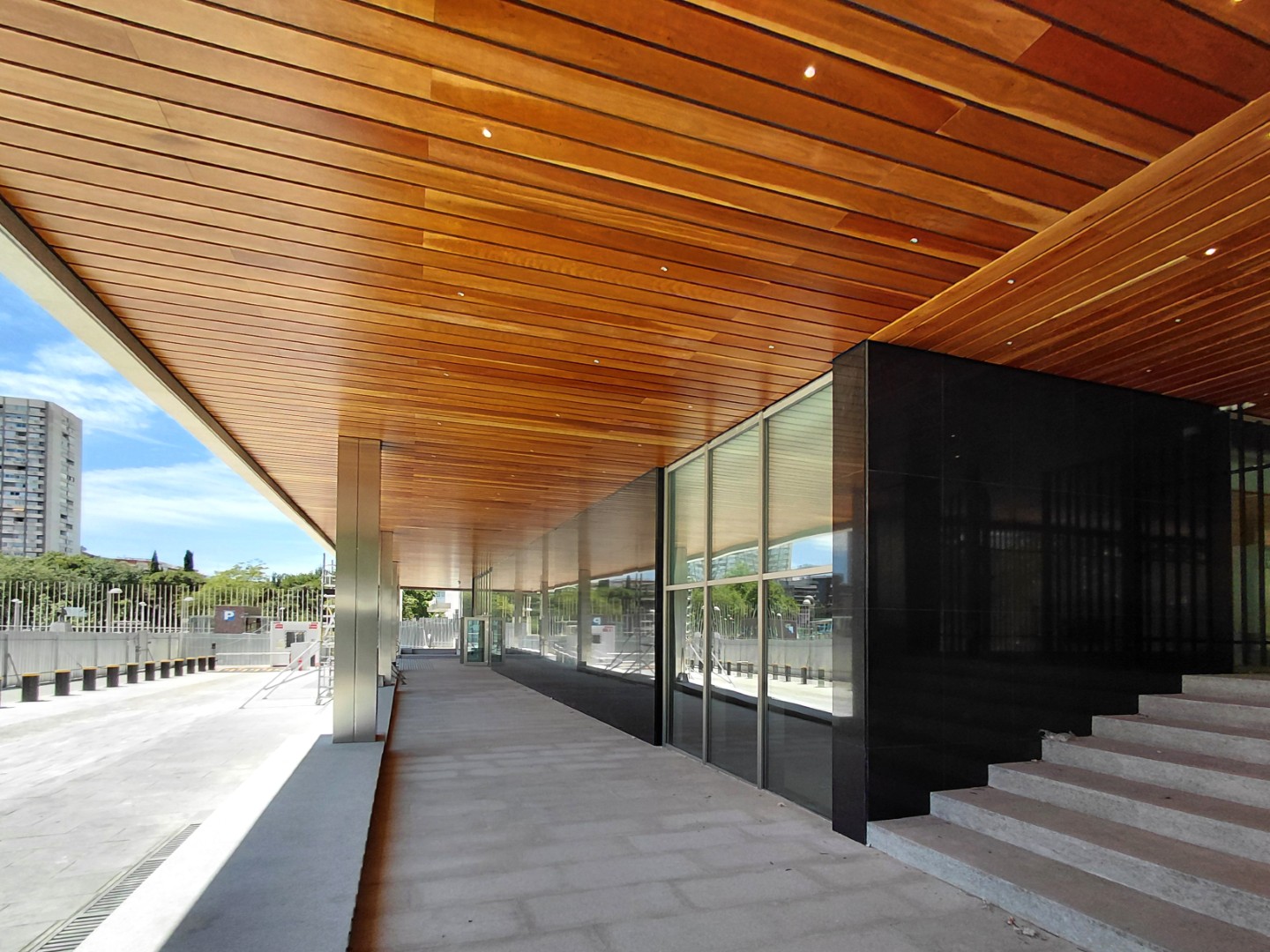

For decades, Madrid’s Congress and Exhibition Palace was one of the capital’s foremost venues for institutional events and conferences. Designed by architect Pablo Pintado y Riba and inaugurated in 1970, the complex comprises several buildings. In 1995, a fire damaged the Auditorium, although activities continued in the rest of the complex until 2012, when operations ceased altogether. Today, Building B is embarking on a new chapter as the headquarters of UN Tourism, a change of use that has required far more than a simple refurbishment.
Part of the Congress Palace has now reopened following works promoted by Turespaña, the agency attached to Spain’s Ministry of Industry and Tourism, to adapt Building B as the administrative headquarters of UN Tourism, the United Nations specialised agency responsible for promoting responsible tourism and formerly known as the World Tourism Organization (UNWTO).
In this challenge, Ineco has played a pivotal role in reimagining a landmark building and adapting it to the needs of an international organisation, while preserving the architectural value that made it one of the most recognisable buildings on Madrid’s Paseo de la Castellana.
The company was responsible for drafting the detailed design and execution project and for overseeing the construction works, building on the previous analysis, definition and planning stages of the intervention.
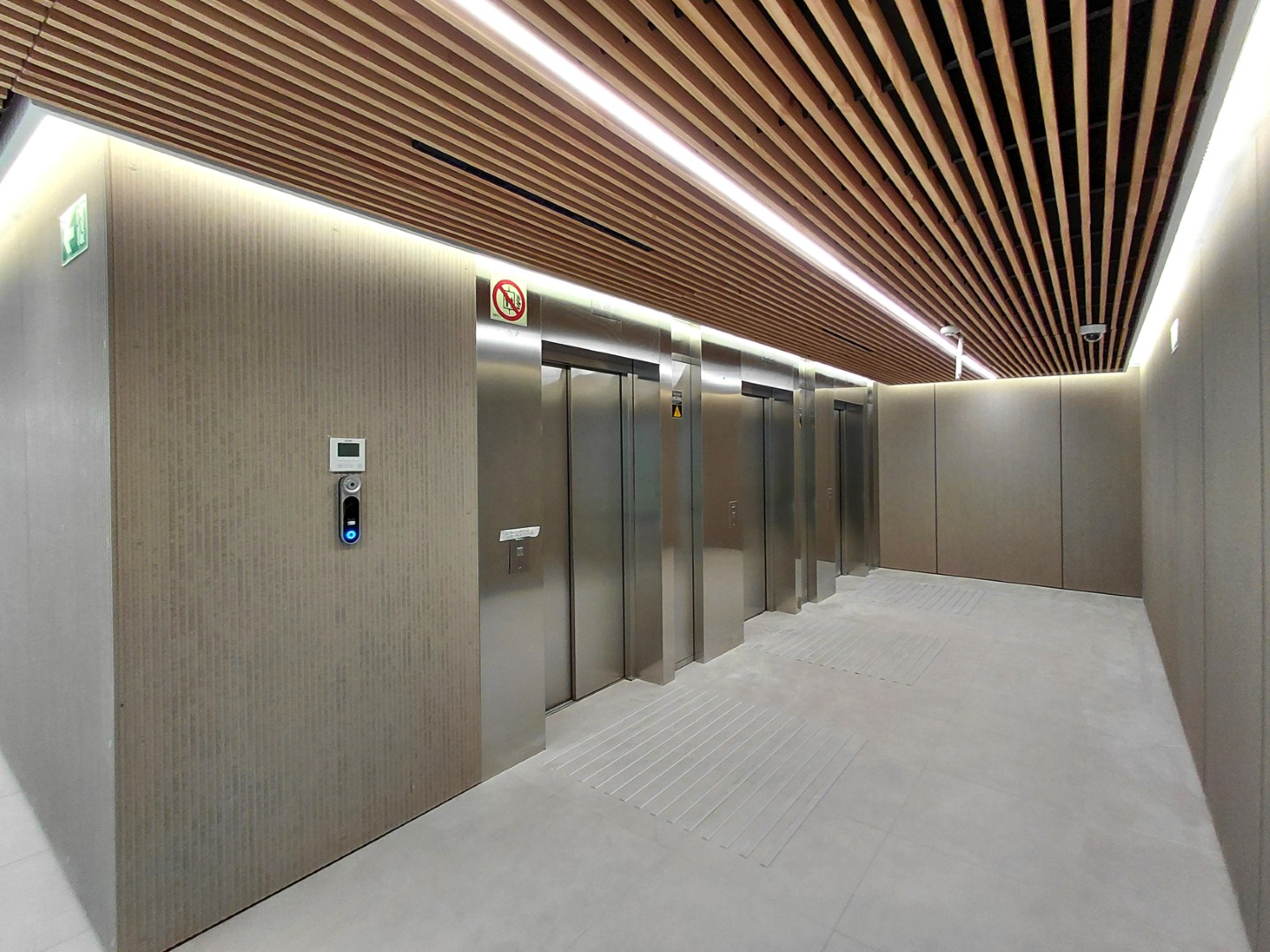
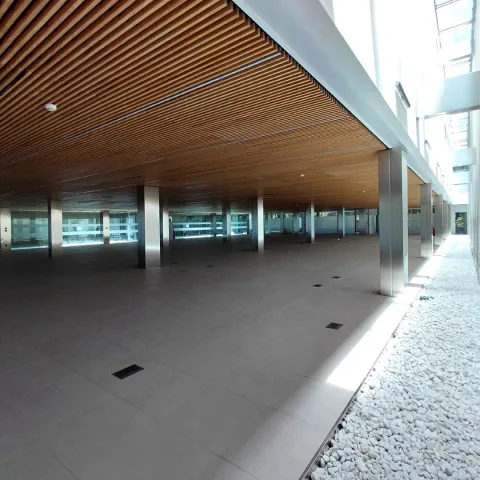
The project has transformed almost 9,000 square metres to accommodate a new model of administrative building. While retaining the original structure, the interior spaces have been completely reorganised, a new floor has been added, and natural lighting has been enhanced through longitudinal courtyards. All of this has been achieved while respecting the protected external appearance of the property.
As is often the case in heritage renovation projects, the scheme presented significant technical challenges. During construction, structural reinforcements were required, the building’s air-conditioning systems had to be completely redesigned, and a range of adaptations were implemented to address issues arising from the condition of the building itself. It was a complex intervention that demanded a careful balance between heritage conservation, functionality, sustainability and safety.
To meet these challenges, Ineco assembled a multidisciplinary team of more than 30 professionals from fields including architecture, structural engineering, building services engineering, construction management, health and safety, and environmental management. This combination of expertise enabled the project to be approached comprehensively, ensuring effective coordination across all disciplines involved in its delivery.
The project showcases one of Ineco’s core strengths in the field of public buildings: the ability to deliver highly complex technical interventions that bring together architecture, engineering, heritage refurbishment and construction management.
The recent inauguration of the new UN Tourism headquarters by the President of the Spanish Government, Pedro Sánchez, marks the beginning of a new life for this historic building. It is a project that demonstrates how engineering and architecture can revive spaces of significant heritage value and adapt them to the needs of 21st-century institutions, extending their lifespan without compromising their identity.